

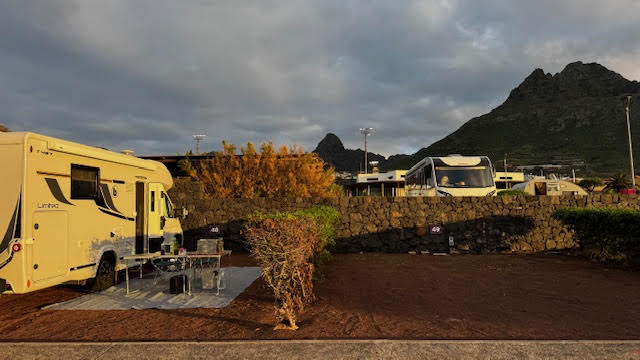
Think for a moment about the open road, the landscape changing beyond the windshield, and total freedom. Now, place in that scene a vehicle that is twice as tall and wide as your car, and several tons heavier. The transition from car driver to motorhome pilot is exciting, but it comes with a different responsibility. Are you ready to master the dimensions, weight, and unique driving dynamics of a house on wheels? What you discover in the next few paragraphs will not only give you peace of mind but could make the difference between an unforgettable trip and an experience full of unexpected events.
Before Turning the Key: Planning is Your Best Ally
Driving a motorhome begins long before starting the engine. Meticulous preparation is the foundation of a safe journey.
Know Your Vehicle Like the Back of Your Hand
Not all motorhomes are the same. Dedicate time to familiarize yourself with *everything*: from the light switches to the exact location of the water tank, the grey water drain valve, and the emergency fuse. Check the vehicle manual. Locate the exact dimensions (height, width, length, and total weight) and write them down in a visible place, like the dashboard. Knowing the height is crucial to avoid collisions with bridges, branches, or gas station canopies. The weight will determine how it behaves in corners and during braking.
The Essential Pre-Departure Inspection
Create a checklist. Tires (pressure and wear), oil and coolant levels, operation of all lights (low beam, high beam, brake, turn signals, and very importantly, the rear fog lights), condition of wipers and washer fluid. Check that the gas is turned off and that all interior elements (furniture, fridge) are securely fastened for travel. A cabinet door that opens during a turn can be a hazard.
Adaptation Behind the Wheel: Your New Reality on the Road
Getting into a motorhome for the first time is a moment of re-learning. Temporarily forget what you know about driving a car.
Driving Position and Visibility
Adjust the seat and mirrors perfectly. The side mirrors are your extended eyes. Make sure you can clearly see the adjacent lanes and the rear of your vehicle. Panoramic rear-view mirrors or rear cameras are invaluable aids, but don’t rely exclusively on them. Get used to the large blind spots, especially on the passenger side. Turn your head and look directly whenever you are going to change lanes or maneuver.
Mastering Dimension and Weight
Inertia is the force that governs a motorhome. What should I keep in mind when driving a motorhome? Above all, its mass. You will need much more distance to brake than with a car. Start reducing speed much earlier for a red light or a curve. On curves, take a wide line, especially to the right, so the rear doesn’t cut the curb or invade the opposite lane. Speed is not your friend; smoothness is. Accelerate and brake progressively.
On the Road: Specific Techniques and Situations
The road presents challenges that go unnoticed in a car but require your full attention in a motorhome.
Overtaking and Cruising Speed
Overtaking a truck can be a lengthy experience due to relatively lower power. Calculate the distance and speed of the vehicle you are overtaking well. If in doubt, don’t overtake. Maintain a constant, moderate speed, in line with limits and efficient consumption. On highways, the right lane is your natural place. Stability in crosswinds is critical; hold the steering wheel firmly when passing over bridges or being overtaken by large trucks.
The Dreaded Crosswind and Inclines
Wind is the natural enemy of vehicles with a large frontal area. On very windy days, reduce speed, hold the wheel with both hands, and anticipate gusts, especially when exiting tunnels or protected areas. On long climbs, use lower gears to assist the engine brake and avoid overheating the brakes. On descents, never coast in neutral; always use a gear that provides engine braking.
Traffic Jams and Urban Driving
In the city, patience is a virtue. Plan your route to avoid narrow streets, low historic passages, or traffic-restricted zones. Pay attention to height and width restriction signs. Traffic jams are inevitable; maintain a generous safety distance with the vehicle ahead and constantly monitor your mirrors to have an escape route in case of sudden traffic braking.
Special Maneuvers: The Art of Parking and Reversing
This is the moment that generates the most apprehension, but with method, it becomes a simple task.
Parallel and Perpendicular Parking
To parallel park, look for a spot that is at least 50% longer than your motorhome. Use your turn signals well in advance, position yourself parallel to the vehicle in front of the spot, and turn decisively when your left-side mirror is level with that car’s rear bumper. A passenger guiding you from outside is a great help. For perpendicular parking, choose wide spaces, preferably two at the ends, and perform the maneuver slowly, using all the available roadway.
Reversing
Avoid it if possible. If unavoidable, roll down the windows to hear better, ask a companion for help who should stand in a visible location (never behind the vehicle) and use clear signals. If alone, get out and check the rear space several times during the maneuver. Go inch by inch. Reversing cameras are a great help, but they do not replace direct observation.
Active and Passive Safety: Beyond Driving
Driving a motorhome implies additional responsibilities simply because it is your temporary home.
Load Distribution and Stability
Poor weight distribution is dangerous. Place heavy objects low and as centered as possible, over the wheel axle. Avoid loading too much on the rear sides or the upper rear, as it can affect directional stability. Secure everything inside. A water bottle rolling on the floor while driving can distract you or, worse, get under the brake pedal.
Driver Assistance Systems and Tires
Many modern motorhomes include stability control (ESP) and hill descent control. Familiarize yourself with them. Tires are your only point of contact with the asphalt. Scrupulously respect the pressure recommended by the manufacturer (usually higher than for a car) and check their condition before every long trip.
The Human Factor: Rest and Attitude
Fatigue is a multiplied risk when driving a more physically demanding vehicle.
Plan Your Stops
Stop at least every two hours or 200 kilometers. Use the time to stretch your legs, hydrate, and briefly check the vehicle. Don’t try to cover distances typical for a car. A pace of 300-400 km per day in a motorhome is more than sufficient and enjoyable.
Stay Calm and Drive Defensively
Other drivers sometimes get impatient. Don’t let them pressure you. You are responsible for safety. Drive defensively, anticipating others’ mistakes. Your number one priority is to get your “house” and its occupants safely to their destination.
Choosing the Vehicle: The First Step to a Good Experience
All this guide is based on a fundamental principle: feeling comfortable and safe with the vehicle you are piloting. The experience of driving your own, perfectly familiar motorhome is different from starting with a rental model. Therefore, choosing a trustworthy company for your first immersion is crucial. Renting a motorhome in Madrid with Autocaravanas Camperdadi is not just a transaction; it is access to a checked, prepared vehicle delivered with a detailed explanation. Our team will teach you the secrets of the model you choose, ensuring you get behind the wheel with confidence from the first minute. This service philosophy is what we apply to our entire motorhome rental in Spain catalog, because we know a good journey begins with a solid foundation. Exploring motorhome rental options is the first step to making your adventure a reality.
Driving a motorhome opens up a world of possibilities. It is a skill that, once integrated, grants you incomparable freedom. Always remember that the key is not haste, but the journey itself. The road awaits you, and now you are much better prepared to enjoy it with total safety.
Do you have more questions or want to experience it with a quality vehicle? Contact **Autocaravanas Camperdadi**. Call us at +34 91 082 06 32, send us a WhatsApp to +34 639 266 865, or email us at info@autocaravanascamperdadi.com. We will help you plan your first great route.